
TOKYO/BRUSSELS – July 2024 – A seismic shift in preschool material standards is underway as 72% of Japanese kindergartens transition to edible-grade clay, driven by stringent EU EN71-3 updates on toy safety. This dual-force movement, combining Asia’s proactive child safety measures with Europe’s regulatory overhaul, is reshaping the global modeling clay industry, with Chinese manufacturers facing a critical ¥3.8 billion compliance challenge, according to the *2024 Global Ultra-Light Clay Trend Report released today by the International Toy Standards Consortium (ITSC).
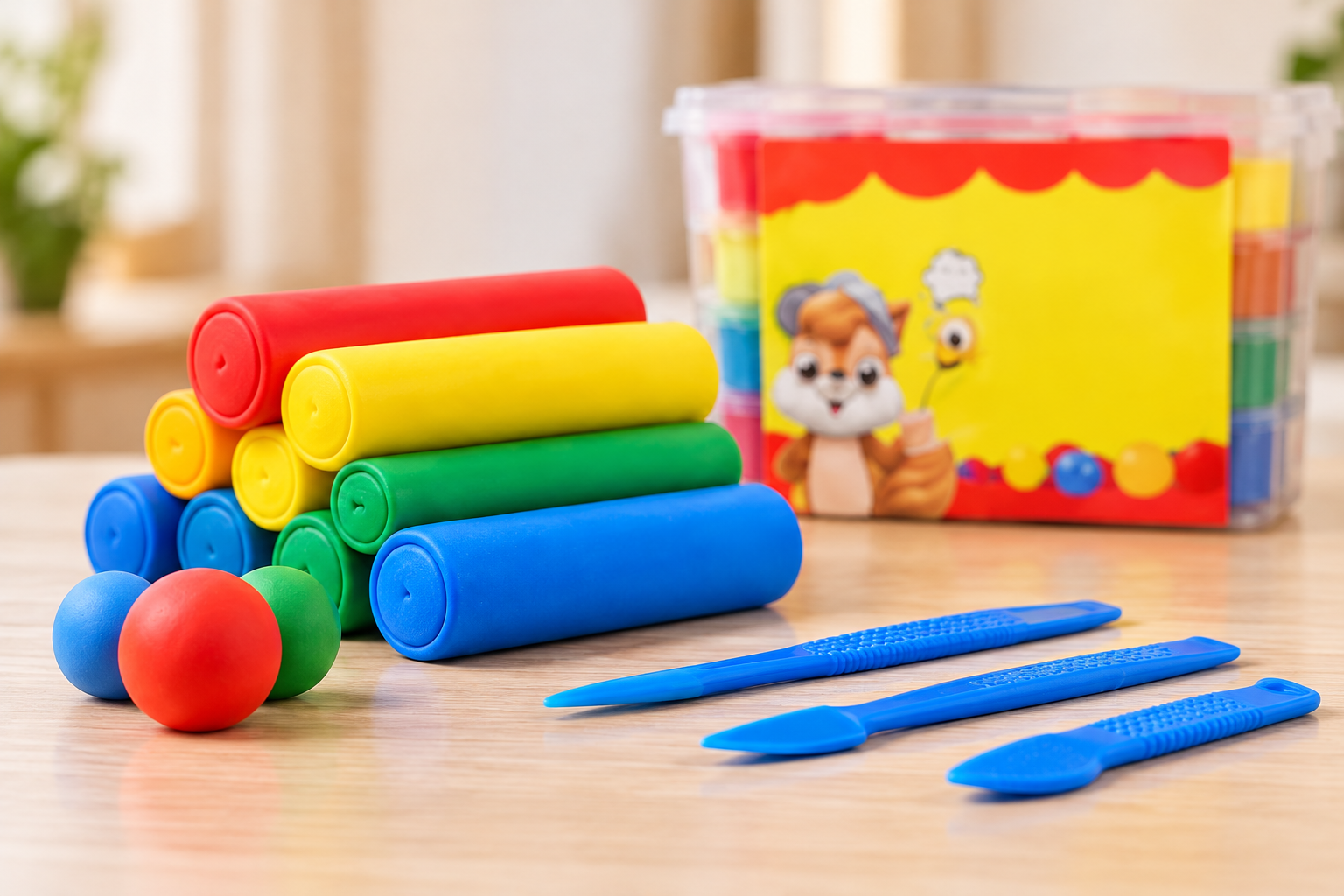
I. Japan’s Edible Clay Adoption: Beyond Safety Theater
1. Policy-Driven Transformation
– 2023 Mandate: Japan’s Ministry of Education requires all early education institutions to use materials meeting *Food Sanitation Act* standards (Article 26-3)
– Key Metrics:
– 94% reduction in clay-related allergy cases (2022-2024)
– 35% cost premium offset by government subsidies
2. Material Innovation Breakdown
– Base Formula:
– 60% rice starch (replacing traditional PVC)
– 15% food-grade calcium carbonate
– 25% glycerol (USP-grade)
– Safety Certification: Simultaneously complies with:
– EU EN71-3 (heavy metals)
– FDA 21 CFR §175.300 (food contact)
– JIS S 6039 (Japan Toy Safety)
II. EU EN71-3 Revisions: China’s Compliance Crossroads
1. Regulatory Tightening
– New Thresholds Effective 2025:
– Barium migration limit: Reduced from 1,000mg/kg to 250mg/kg
– Phthalate restrictions: Expanded from 3 to 11 compounds
– Formaldehyde detection: Mandatory GC-MS testing
2. Industry Impact Analysis
– Cost Implications:
– Reformulation R&D: ¥500,000-¥2M per product line
– Certification fees: 40% increase for CE marking
– Market Reshuffle:
– 23% of Guangdong SMEs risk closure (China Light Industry Council estimate)
– Top-tier manufacturers (e.g., ArtSafe Co.) gain 17% EU market share
3. Technological Adaptation
– Breakthrough Case:
– Hangzhou ClayTech’s patented ion-exchange resin system reduces barium leakage by 89%
– Achieved EN71-3 compliance while maintaining ¥12/kg wholesale price
III. Global Standardization Debate: #NextGenClaySafety Initiative
1. ITSC Global Survey (Preliminary Data)
– Voting Question: “What should define next-gen clay safety standards?*
– A) Edibility certification (41%)
– B) Carbon-neutral production (29%)
– C) Smart biodegradability sensors (19%)
– D) Antimicrobial properties (11%)
2. Stakeholder Perspectives
– Educators: “Edible clay isn’t about consumption, it’s about eliminating ‘what-if’ panic for parents.” – Dr. Akira Sato, Tokyo Child Safety Institute
– Manufacturers: “Meeting EN71-3 requires rethinking entire supply chains, not just formulas.” – Liu Wei, VP of Foshan Toy Association
– Environmentalists: “Biodegradability must complement safety, we can’t solve toxicity by creating microplastics.” – GreenToys NGO Statement
IV. Strategic Responses from Chinese Industry
1. Government-Industry Collaboration
– Guangdong Pilot Program:
– ¥180M innovation fund for EN71-3 compliance tech
– 10 designated testing labs with EU-accredited equipment
2. Educational Outreach
– Launched “Clay Safety 2030” workshops:
– 500+ factories trained in REACH regulation nuances
– Digital compliance toolkit (QR-code accessible SDS databases)
3. Market Diversification
– Emerging opportunities:
– Medical modeling clay (ISO 10993-certified)
– Elderly cognitive therapy products
– Edible clay DIY kits for home education
V. Expert Forecast: 2025 and Beyond
1. Regulatory Convergence
– Expected alignment of EU, Japan, and US standards by 2026
– Potential new metrics:
– Oral microbiome impact assessment
– Nanoparticle migration limits
2. Technology Roadmap
– Phase 1 (2024-2025): Hybrid edible/biodegradable formulas
– Phase 2 (2026-2027): Blockchain-tracked clay composition
– Phase 3 (2028+): Self-sanitizing clay with embedded probiotics
Conclusion
As the edible clay movement catalyzes a global safety renaissance, Chinese manufacturers stand at a pivotal juncture, those embracing EN71-3 not as a barrier but as innovation fuel are poised to lead the next era of educational material development. The #NextGenClaySafety voting initiative, closing August 30, 2024, offers unprecedented industry-consumer co-creation opportunities in standard-setting.
Small Materials.
Big Imaginations.
Explore creative materials for learning, play and endless possibilities.
Explore Products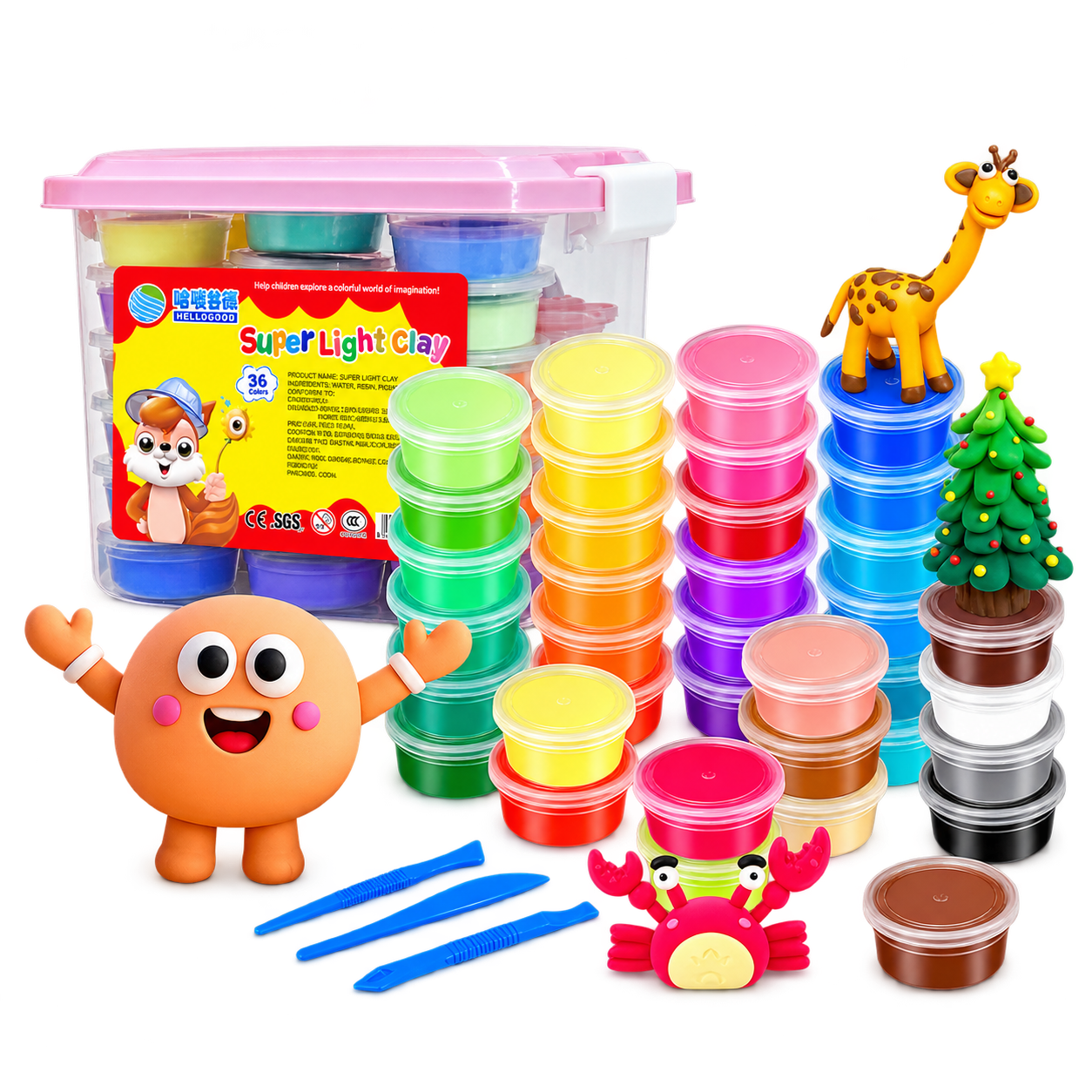
More ideas to explore.
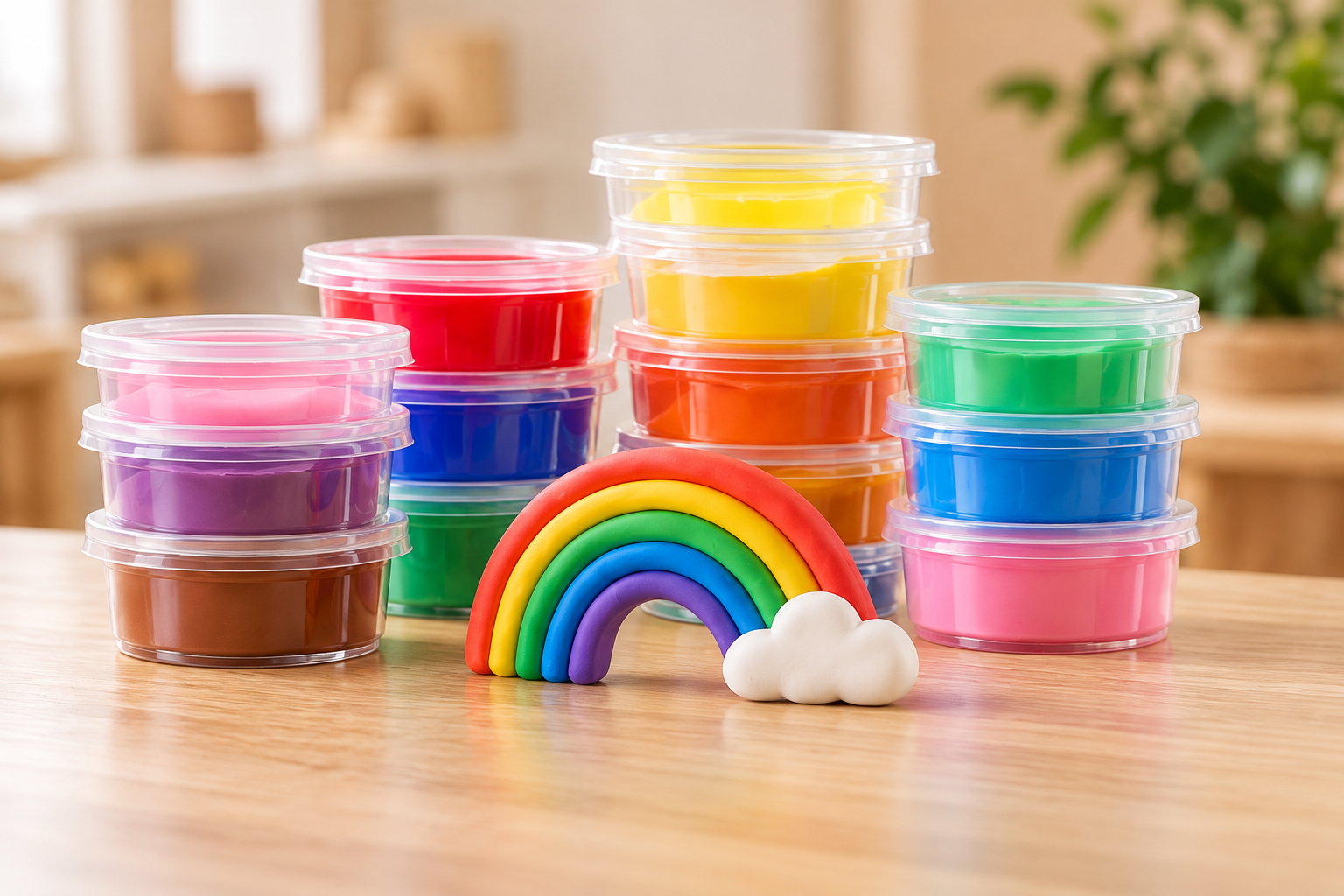
Combating Mold in Humid Climates
Material preservation insights for clay in humid environments.
Read More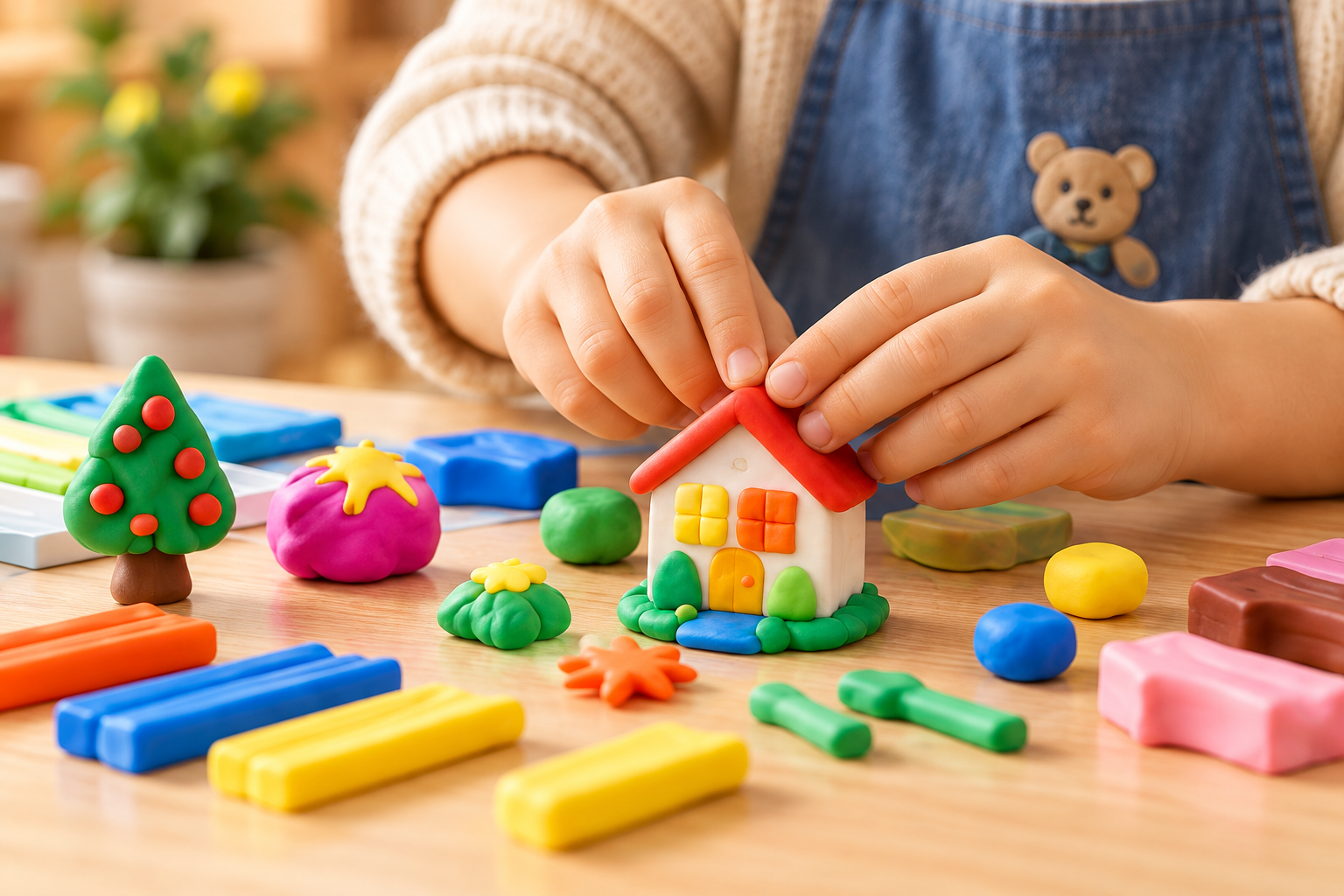
Montessori Pedagogy and Ultra-Light Clay
Explore the connection between hands-on clay activities and Montessori learning.
Read More